Sewer Line Cleaning in Rowlett, TX
Every drain in your home — every sink, toilet, shower, and appliance — empties through one pipe on its way to the city main: your sewer line. In Rowlett's established neighborhoods, that pipe is often decades old: clay tile with aging joints, cast iron with years of scale, running under yards where mature trees have spent thirty years exploring toward it. Sewer line cleaning keeps this critical pipe open — cutting roots, clearing grease and sludge, verifying everything on camera — and in an older system, it's as much about assessing the line's condition as clearing it.
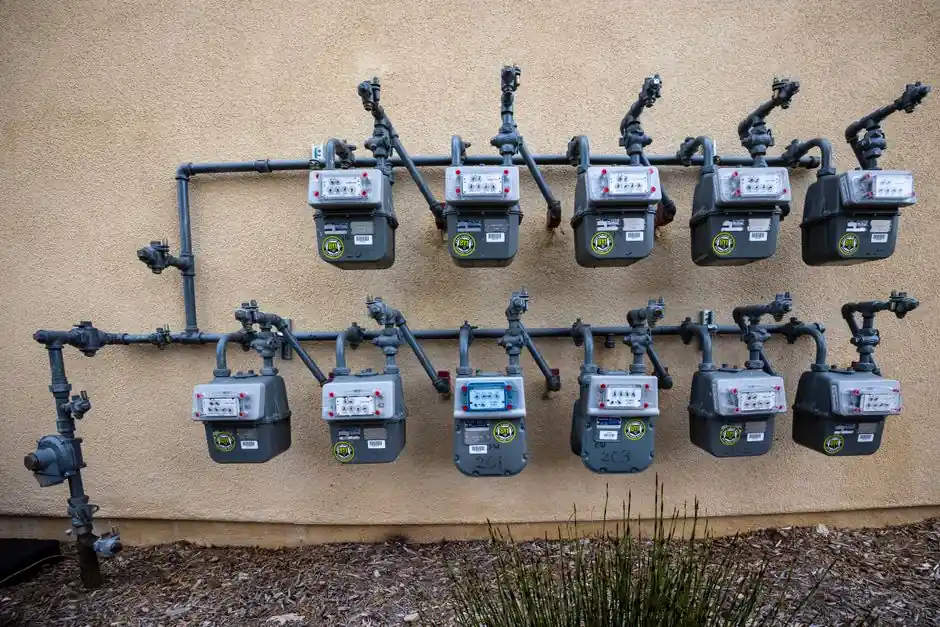
The pipe everything depends on
Main-line cleaning for established Rowlett homes
Sewer line cleaning clears the large buried pipe from your house to the street — longer, deeper, and tougher than any branch line, usually blocked by root masses, heavy grease, or decades of sludge. The work uses full-size cable machines with root-cutting heads and often hydro jetting, guided throughout by camera inspection. On an older main, the camera isn't optional equipment — it's what keeps powerful clearing methods safe for aging pipe.
Rowlett mains tell the story of the neighborhoods above them: clay tile joints that have been admitting roots for decades, cast iron sections narrowed by scale, soil movement from drought cycles shifting connections a fraction at a time. The cleaning matches the pipe's reality — measured cutting where the line is fragile, thorough clearing where it's sound — because the goal isn't just an open pipe today, but a pipe that's still viable for years.
Main-line warning signs in an older home
The whole house slows down together
When toilets, tubs, and sinks all degrade at once, the problem is in the pipe they share. In an established home, this whole-house pattern often means the main's capacity has been shrinking for years — roots filling the clay joints, scale narrowing the iron — until normal daily flow finally overwhelms it. It's the main line's retirement warning, and it deserves immediate professional attention.
Sewer odors inside or out in the yard
Sewer gas means containment has failed somewhere: a blocked main forcing gas back through traps, or a deteriorated lateral joint venting underground near the surface. In older neighborhoods, yard odors frequently mark the exact spot of a failed clay joint — the lawn literally pointing at the problem. Either way, odor plus an aging main is a combination to take seriously.
Gurgling toilets with system-wide sluggishness
The toilet is the main line's direct line of communication. Gurgling — especially when the washer or shower runs — combined with generally slow drainage means air and water are fighting past a main-line restriction. In a decades-old system, that restriction is as likely to be progressive (roots, scale) as sudden, which is why the camera matters as much as the cable.
The main-line service for older pipes
Careful clearing with full verification
Main-line work on aging pipe follows a disciplined sequence — assess the pipe's condition first, clear with methods it can handle, verify everything afterward. Here's the complete service for your Rowlett home.
- 01 Access through your cleanout We work through the exterior cleanout — the main's direct access — staging full-size equipment there. Older homes sometimes have buried or awkward cleanouts; we locate them, expose them carefully, and note their condition. Proper access on an old main is half the battle.
- 02 Camera assessment before clearing The camera maps the line's interior first: blockage type and location, but equally important, pipe condition — wall soundness, joint integrity, the factors that determine how aggressively we can work. On aging pipe, this assessment is what keeps the clearing safe.
- 03 Measured root cutting and clearing The cable machine with appropriate heads cuts through root masses and blockages — force matched to the pipe's assessed condition, never more. Where heavy grease or sludge coats the line, jetting follows at calibrated pressure. The clearing fits the pipe, not a standard template.
- 04 Verification and condition documentation The camera's return trip shows clean, flowing pipe — and documents the line's underlying condition now that it's visible. You watch the proof, keep the recording, and get an honest assessment of what the main needs going forward: maintenance schedule or capital planning.
Certainty about your critical pipe
The service delivers more than flow — it delivers knowledge about the pipe you'd least want to replace blindly. What's blocking it (removed), what shape it's in (on video), what it needs next (scheduled maintenance or a planned project). For an established-home owner, that documented condition is the basis for every future plumbing decision — and the difference between managing an asset and being surprised by it.
Contact us nowMain-line equipment, used with judgment
Full-size cable machine
Main lines need full-size power — heavy cable and strong motors to cut through decades-old root masses. But power without judgment damages old pipe, so the machine is operated with constant attention to the line's response: aggressive where the camera showed sound pipe, careful where it showed fragility. The operator's experience is the real tool.
Root-cutting head selection
Different root masses need different cutters — spiral saws for dense mats, blades for tendril networks — and the camera's findings drive the choice. In old clay, the goal is shearing roots at the joint without stressing the joint itself; that precision is what separates professional root work from mere cable-pushing.
Jetting as the calibrated follow-up
After cutting, hydro jetting scours the line's full circumference at pressure matched to the pipe's condition — removing the grease and sludge matrix that cutting leaves behind. On older mains this two-stage approach (cut, then scour) produces the genuinely clean pipe that stays clear longest.
Sonde locating for exact positions
The camera's transmitter plus the surface locator marks every significant finding on the ground above — positions and depths. For an aging main where future work is a matter of when, these located marks turn every future quote from exploration into precision.
Main-line service across established Rowlett
Sewer cleaning in Rowlett's established neighborhoods means working with the area's plumbing history: clay tile laterals from the development decades, cast iron mains with years of scale, mature tree root systems that have been pressure-testing every joint for a generation, and clay soil that's shifted it all through drought and deluge. The service is built for this reality — condition-aware, camera-guided, honest about what old pipe needs.
The tree factor dominates here more than anywhere. Rowlett's mature oaks and pecans have had decades to find lateral joints, and clay tile joints are the most root-vulnerable pipe in residential use. For homes with large trees near the line, main-line cleaning isn't an occasional service — it's scheduled root management, and the schedule is set by what the camera shows about regrowth.
Areas we serve in Rowlett
- • Downtown Rowlett
- • Lake Ray Hubbard
- • Toler Bay Road
- • Springfield
- • Dalrock
The footage that matters most
When the line needs more than cleaning
The pre-clearing camera sometimes reveals that the main's problem is structural, not just blockage: separated clay joints, a collapsed section, a severe belly, root intrusion so advanced the joint is destroyed. In an older system, this is the camera's most valuable discovery — it redirects the plan from repeated cleaning (which would fail repeatedly) to the repair or rehabilitation the footage actually calls for.
Honesty at this moment saves the most money. A main with failed joints will manufacture clogs forever; cleaning it on a monthly schedule is just expensive denial. The footage gives you the exact defect, its exact location, and the basis for a repair quote that's planned and competitive — not an emergency excavation decided at midnight during a backup.
And there's the middle path the camera often reveals: mild offsets, light bellies, manageable root pressure — conditions that don't warrant excavation but do warrant a disciplined cleaning schedule. That distinction, made from video evidence, is what keeps you from both premature digging and futile repeated clearings. The camera earns its keep in both directions.
Even when repair is the answer, the cleaning comes first — and it's never wasted. Clearing the line before repair work means the repair crew works from accurate footage of the true structural condition, not debris-obscured guesses. Better footage, better quotes, cleaner work. The sequence matters.
- ▸ The camera distinguishes "needs cleaning" from "needs repair" — the most financially consequential distinction in main-line work.
- ▸ Post-clearing footage is your protection against both unnecessary excavation and endless futile cleanings.
- ▸ Mild structural issues get managed on a schedule; serious ones get planned repair — the footage sets which.
- ▸ Clearing before any repair work produces the accurate footage that repair quotes and crews depend on.
Main-line cleaning, any hour, in Rowlett
When the main fails, we move fast
A blocked main line is a whole-house emergency — every fixture affected, every flush worsening it. We respond with genuine urgency: fast arrival, immediate camera assessment (critical with old pipe — the wrong aggressive clearing makes things worse), then the measured clearing that restores flow without risking the line. Speed and care together, because an old main needs both.
If your whole house is backing up right now: stop using water, keep clear of affected areas, and call. We'll guide your immediate steps by phone and arrive with the full sequence — camera, clearing, verification. Even in crisis, the method holds: understand the old pipe first, then treat it appropriately.
Your main-line visit, step by step
Access and careful staging
We establish the best access — usually the exterior cleanout, located and exposed gently if years have hidden it — and stage the full-size equipment with protection for your property. On an older home, staging includes the extra care that original fittings and landscaping deserve.
Condition assessment via camera
The camera surveys the main before any clearing: blockage character, pipe condition, structural notes. This footage is the visit's foundation — it determines the method, the force, and whether the line wants maintenance or a bigger conversation. With aging pipe, skipping this step isn't efficient; it's reckless.
Measured clearing, then scouring
Root cutting with appropriate heads, force tuned to the pipe's condition, then jetting at calibrated pressure where buildup warrants the full scour. The technician monitors the line's response throughout — old pipe talks, and the experienced hand listens. Thorough, never rushed.
Verification and the honest report
The camera returns, you watch clean pipe on the monitor, and we walk through the footage together: what was removed, what the line's condition is, what it needs going forward. Fixtures get flow-tested across the house. You keep the video and the assessment — the complete picture of your main's health.
What main-line work costs reflect
Main-line service is the most substantial drain work — full-size equipment, significant time, camera throughout — and its scope reflects the line's reality. We'll identify the cost factors for your specific situation before any work begins.
Length, depth, and age of the run
Longer, deeper laterals take more time and cable; older lines add the condition-care that keeps the work safe. Your property's layout and the line's era set these factors — the camera then refines them with actual interior evidence.
Blockage character
Light sludge versus a decades-old root mass are different jobs, and the pre-clearing camera shows us which we're facing. In established neighborhoods, expect the camera to find history — and expect the scope to match it honestly.
Access realities
Clear cleanouts mean efficient work; buried or missing ones add the access effort to the visit. Many established homes need cleanout attention as part of main-line service — worth doing, since every future visit gets faster and cheaper with proper access.
Why established homes trust this approach
Old mains punish guesswork and reward method. Our approach — camera first, clearing matched to condition, verified results, honest reporting — is built specifically for the realities of aging pipe. It's more careful than the quick-clear alternative, and the results last longer because the work fits the pipe instead of fighting it.
Call (972) 945-2849Main-line questions for established homes
How do I know the main is the problem, not a branch?
The multi-fixture pattern is the giveaway: when toilets, tubs, and sinks all suffer together, the restriction is in the pipe they share. Single-fixture trouble is a branch; whole-house trouble is the main. In an older home, also watch for the gradual version — everything slowly worsening in unison over the years, which is the main's capacity degrading, not a sudden clog.
Are roots really the main threat to my line?
In Rowlett's established neighborhoods, yes — decisively. Mature trees plus clay tile joints (the most root-vulnerable combination in residential plumbing) plus decades of growth equals continuous root pressure. It's not a question of whether roots will find your lateral but how you're managing them: scheduled cutting on a camera-set interval, or emergency removal when they finally seal the line.
Is jetting safe for my older main line?
When the camera confirms the pipe is sound, yes — and it's the ideal finishing step after root cutting. The camera-first sequence is the entire safety system: we verify condition, match pressure to it, and exclude any section the footage says to treat gently. Older pipe gets jetting's benefits without its risks, because the risks are managed by evidence.
Does cleaning require digging?
No — cleaning works entirely through your cleanout, no excavation. The camera, cable, and jetter all enter through existing access. Digging only becomes relevant if the camera finds structural damage needing repair — and then the located footage makes any excavation precisely targeted. Cleaning itself never breaks ground.
How often does an older main need cleaning?
Set by the camera, not by a calendar: heavy root pressure means annual, moderate means every couple of years, light means longer. The regrowth rate visible between inspections is your personal interval. What never works on an old main is neglect-until-backup — the most expensive schedule, and the hardest on the pipe.
What blocks older Rowlett mains most?
Roots first, then the scale-and-grease accumulation of decades, then the structural developments — offsets, bellies, joint failures — that aging and soil movement produce. The camera sorts your line's specific combination, because each element gets different treatment: roots cut, buildup scoured, structural issues planned for.
It keeps backing up after cleaning — what now?
That's the line telling you cleaning isn't the answer anymore — something structural is regenerating the blockages. The post-cleaning camera footage will show what: a separated joint, a belly, a collapsed section. At that point the conversation shifts from maintenance scheduling to repair planning, with the footage as your evidence and the located marks as your map. Listen to the pattern; it's data.
Related services
Drain Cleaning
For the branch lines and fixtures that feed your main — sinks, tubs, toilets — our drain cleaning handles the smaller pipes, so the whole system works together.
Drain Maintenance
The scheduled program that keeps an older main from reaching crisis: cleaning on the camera-set interval, with condition check-ins that track the line's aging over the years.
Get your Rowlett main line assessed today
Don't let an aging main decide your schedule. Call (972) 945-2849 — we'll camera-assess your line, clear it with methods your older pipe can handle, and give you the footage and honest plan going forward. The main line, managed right.