Commercial Drain Cleaning in Rowlett, TX
Rowlett's business community runs on reputation — the restaurant that's served the same families for twenty years, the retail center that's anchored the neighborhood for decades, the property manager responsible for buildings full of tenants. Commercial drain cleaning here is about protecting that reputation: the scheduled, documented, after-hours service that keeps long-running businesses operating without interruption. When your business has spent years earning customer trust, the drains should never be what risks it. This page covers commercial drain service for Rowlett's established businesses — what it includes, how the programs work, and why the reliable operators schedule it.
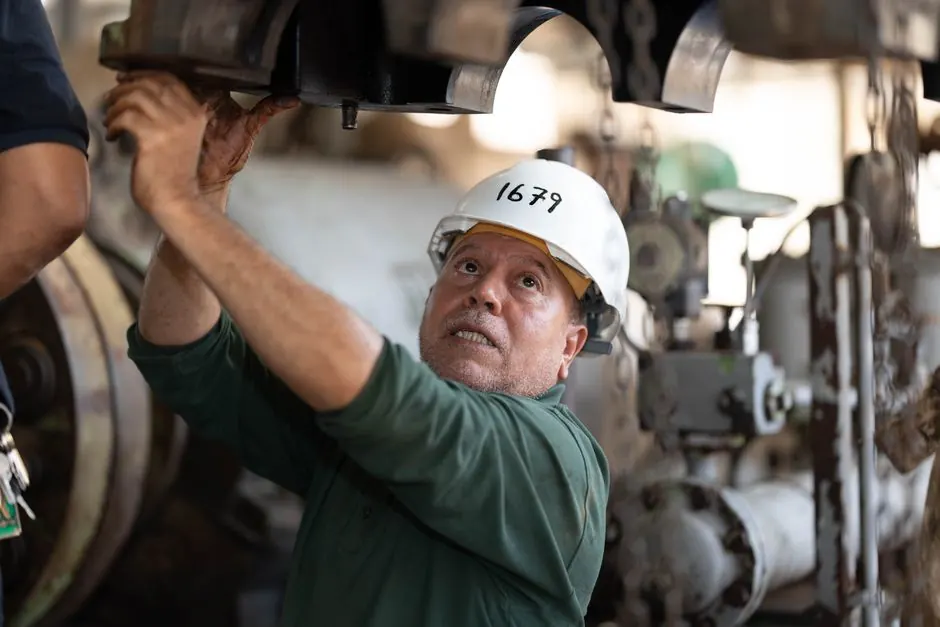
Protecting established businesses
Understanding commercial drain cleaning in Rowlett
Commercial drain cleaning is the professional care of business drainage systems — restaurant kitchen lines and grease traps, office and retail restroom systems, multi-tenant building mains, and commercial laterals. It operates at a different scale than residential work: bigger pipes, heavier loads, health-code and municipal requirements, and the absolute constraint that service happens without disrupting the business. For established Rowlett businesses, there's an added dimension: many operate in older buildings with aging commercial plumbing, where the service must be effective and careful simultaneously.
The established-business perspective shapes everything. A restaurant with twenty years of regulars can't afford a dining-room odor incident or a kitchen shutdown during the Friday rush — the reputational cost dwarfs the plumbing cost. A property manager with long-term tenants needs drains that never become disputes. The commercial drain program exists to make drainage a non-issue: maintained on schedule, documented for compliance, and handled after-hours so the business never notices. Reliability, not just clearing, is the product.
What business drains warn you about
Slowness across the operation
Multiple fixtures slowing together — kitchen sinks and floor drains, restrooms across the building — signals a shared line loading up. In an established business, this often means years of gradual accumulation reaching its threshold: grease bonded in kitchen lines, scale in old building mains, sediment in long laterals. Multi-fixture slowness is the warning that precedes the operational disruption; heeding it is what separates managed businesses from emergency-call businesses.
Grease trap trouble
A trap that's backing up, overflowing, or passing grease downstream has failed at its one job — and everything downstream is now at risk. For Rowlett's established restaurants, trap neglect is the most common path to a major drain emergency: the trap fills silently, grease coats the building lines, and the failure arrives during the busiest service. Trap service on schedule is non-negotiable; a failing trap is already an emergency.
Odors where customers are
Drain odors in dining rooms, retail floors, or office spaces are a business crisis independent of drainage performance — customers leave, complaints follow, and in food service, inspectors notice. Established businesses feel this most acutely because their reputation is their asset. Odor means the system needs professional diagnosis now: dry traps, venting faults, or buildup generating gas, each with its own fix.
The complete commercial service
What's included in commercial drain cleaning
Commercial service for established businesses combines heavy-duty capability with operational sensitivity. Here's the full scope.
- 01 Survey and system mapping We document your property's drainage completely: kitchen lines, traps, restroom systems, floor drains, building mains, the lateral — including the condition assessment that older commercial buildings particularly need. The map becomes the foundation for all service and the neutral record for any shared-line questions.
- 02 Commercial-grade clearing High-capacity jetters and large-diameter augers handle business-scale loads: compacted grease, food solids, accumulated scale, root intrusion in building laterals. On older commercial lines, the clearing is calibrated to the pipe's condition — effective on the buildup, careful with the aging infrastructure.
- 03 Grease trap program Pumping, cleaning, baffle inspection, and condition reporting on the schedule your kitchen's grease load demands — with manifests for your records. The trap program is the highest-value commercial habit: it prevents the grease failures that cause most restaurant drain emergencies and keeps you compliant.
- 04 Scheduled maintenance and documentation The recurring program — trap service, line jetting, camera check-ins — executed after-hours and fully documented. Service records, footage, manifests: the paper trail that satisfies inspectors, landlords, and insurers, and the schedule that keeps emergencies from ever happening.
The reliability dividend
Established businesses understand a math that new ones learn the hard way: the annual program costs less than one major emergency, and the emergency costs more than the invoice — lost service hours, staff standing idle, customers turned away, the story that travels. But the deeper dividend is operational calm: drains maintained on schedule simply never become business problems. The manager never thinks about them, the staff never deals with them, the customers never notice them. That invisibility is what the program buys, year after year.
Contact us nowEquipment for business-scale drains
Commercial hydro jetters
High-flow jetting units that scour large-diameter lines — the definitive treatment for the compacted grease and scale that define commercial drain problems. On older building lines, pressure is calibrated to the pipe's measured condition: the scour is complete where walls allow, moderated where age demands it. Power with the judgment established buildings require.
Grease trap service equipment
Pump trucks and cleaning equipment for the full range of commercial traps — under-sink units through large interceptors. Complete pump-outs, wall and baffle service, condition assessment, and the manifests your records need. The trap work is unglamorous and absolutely essential.
Cameras for verification and records
Inspection cameras verify every commercial clearing — and build the documentation file: pipe conditions, service results, the evidence that settles shared-line disputes fairly. For property managers and multi-tenant buildings, that neutral video record is worth as much as the clearing itself.
Large-diameter cable equipment
Building mains and commercial laterals need cable machines sized for the pipe: heavier cable, longer reach, heads that cut commercial-scale blockages. When an established building's main is obstructed, this is the equipment that restores it — applied with the care old commercial lines deserve.
Commercial service across Rowlett
Commercial drain work in Rowlett means operating across the city's business landscape: the established restaurants and retail that have served neighborhoods for years, the office and multi-tenant properties with shared infrastructure, and the older commercial buildings whose plumbing reflects earlier eras. The service adapts to each — the program fits the business, not the reverse.
Older commercial properties deserve special mention. Many of Rowlett's long-running business buildings have original or aging plumbing — lines sized for earlier demands, materials from earlier decades, grease systems added over time. These properties get the camera-first assessment as standard: understanding the old commercial lines' condition before designing the program that protects them.
Commercial areas we serve
- • Rowlett East Corridor
- • downtown Rowlett area
- • Historic Downtown Main Street
- • Springfield businesses
- • Toler Bay Road
Before and after: business lines restored
Compliance and reputation for Rowlett businesses
For food-service businesses, drain maintenance intersects with regulation: health inspectors notice grease failures, trap overflows, and odors; municipal rules govern discharges to the sewer. The documented program — service records, trap manifests, camera footage — is the evidence of diligence that turns an inspection into a non-event. Established restaurants know: the inspector's visit goes smoothly when the records are complete.
Grease management deserves its own focus because it is where most restaurant drain failures begin. A trap serviced before it fills protects everything downstream; a trap allowed to fill becomes a pass-through, sending grease into the building's lines to bond and accumulate. The interval must beat the fill rate with margin — calculated from your kitchen's actual load, not guessed. That calculation is the difference between grease managed and grease disastrous.
Multi-tenant properties add the complexity of shared responsibility: one building main, multiple tenants, disputes about causation. Camera documentation is the impartial record — it shows conditions and causes without favor. For property managers, the building-wide scheduled program plus the video file is what keeps drain issues as maintenance items instead of legal ones.
The through-line is reputation protection. An established business's drains should never cost it a customer, a health-code mark, or a tenant dispute. The program's job is making sure they don't — quietly, on schedule, after-hours, documented.
- ▸ Complete service records — trap manifests, jetting logs, camera footage — make inspections uneventful.
- ▸ Trap service must beat the fill rate: a full trap protects nothing downstream.
- ▸ Camera documentation resolves shared-line disputes with neutral evidence.
- ▸ The scheduled program costs less annually than one emergency — and never interrupts service.
Commercial service available 24/7 in Rowlett
Built around your business hours
Commercial work happens when your business isn't using its drains: overnight, early mornings, weekends — scheduled around your operation as the standard arrangement. Your customers never see the service; they only experience drains that always work. Emergency response during operating hours focuses on the fastest safe restoration, because every hour of disruption has a cost we understand.
The operational understanding runs deep: we know what a closed kitchen costs, what restroom outages do to a business day, what reputation means to an established operator. The service is built around those realities — thorough enough to last, fast enough to minimize impact, and documented enough to satisfy everyone who needs the records.
The commercial process
Survey and mapping
It starts with understanding your property and operation: the drainage survey, trap and line condition assessment, and the operational picture — hours, volumes, tenant mix. The survey yields both the immediate work plan and the recommended ongoing program, tuned to your business's reality.
The scheduled program
Trap intervals, jetting schedule, camera check-ins — set from the survey's findings and your operation's demands, then refined with you. It's your program: designed around your business, adjustable as the business evolves, and always transparent in what it includes and why.
After-hours execution
Service happens on your off-hours — the crew arrives, performs the planned work, verifies results, and leaves the site clean and ready. No disruption, no customer impact, no operational compromise. The drains get their maintenance; the business never pauses.
Documentation and tuning
Every visit produces the record: what was serviced, what was found, footage and manifests, plus recommendations. The file grows into your compliance evidence and the program tunes itself visit by visit — intervals adjusted to actual conditions, attention directed where the system needs it.
What commercial service involves
Commercial service is scoped from the survey and priced transparently — your property, your operation, your actual needs. The factors are straightforward.
System size and complexity
A single restaurant and a multi-tenant center are different programs; the survey maps your system's extent and the scope follows. Honest scoping from documented findings, never generic packages.
Grease load and trap capacity
Kitchen volume, menu grease profile, trap size and condition — these set the trap program's intensity and interval. Measured from your operation, not assumed: the survey establishes the real numbers.
Scheduling around operations
Your hours dictate the service calendar — after-hours standard, emergency response when needed. The logistics of serving a working business are part of the service design, not an afterthought.
A crew that gets business
Commercial drain service requires operational literacy: the cost of downtime, the weight of compliance, the value of invisibility, the grease realities of working kitchens. The crew brings that understanding to every visit — which is why established businesses keep the program running year after year.
Call (972) 945-2849Commercial drain questions
How often should our restaurant's drains be serviced?
From your kitchen's measured grease load: heavy-fryer, high-volume operations typically need monthly to quarterly line service plus regular trap pumping; lighter kitchens go longer. The trap's fill rate is the hard constraint — service beats it with margin. The survey establishes your numbers; the program follows them. Measured intervals prevent emergencies; guessed ones invite them.
Do you service grease traps in Rowlett?
Completely: pump-outs, cleaning, baffle and wall service, condition assessment, and manifests for your records — for under-sink traps through large interceptors, on the schedule your load demands. The trap program is the cornerstone of restaurant drain health.
Can you work when we're closed?
That's the default. Overnight, early mornings, weekends — the program runs on your off-hours so operations never pause. Emergency work during business hours prioritizes the fastest safe restoration. Your schedule drives ours.
An inspector flagged our drains — what now?
Call right away: flagged items need prompt, documented correction. We'll assess, perform the corrective work, and supply the documentation package — service records, camera footage, trap manifests — proving the resolution. Then the preventive program ensures the next inspection is routine. The goal is making the flag a footnote.
Do you offer ongoing maintenance programs?
That's the core offering: scheduled trap service, line jetting, and camera check-ins on intervals matched to your operation — executed after-hours, fully documented, continuously tuned. The program is the product; emergencies are what it prevents. Clients on the program rarely need us urgently, because the schedule gets there first.
Can you handle multi-tenant properties?
Yes — retail centers, office buildings, mixed-use: shared mains, multiple systems, divided responsibility. The survey maps shared infrastructure, the program maintains it property-wide, and camera records provide the neutral evidence for tenant issues. One accountable drain partner for the entire property.
How is commercial service different from residential?
Scale, stakes, and method: commercial-grade equipment for larger pipes and heavier loads; after-hours scheduling with zero operational disruption; compliance documentation residential work never requires; and grease management as a dedicated discipline. Different reality, different service — commercial drains need commercial specialists.
Related services
Keep your Rowlett business flowing today
Protect the reputation you've built. Call (972) 945-2849 — we'll survey your property, design the program your operation needs, and keep your drains out of your business concerns for good. Reliable drains, documented compliance, zero disruption.